Review of used autos for sale::Privately Owned Cars for Sale?
Review of used autos for sale::Privately Owned Cars for Sale?
With President Obama leading GM into bankruptcy proceedings today, the U.S. taxpayers are on the hook for at least $50,000,000,000.00 in this game of political payback. The reorganization plans for General Motors seems to be extremely short sighted and lacking any appreciable hopes of reestablishing a competitive automobile manufacturing industry in the United States. Since all U.S. citizens are going to be the proud owners of 60% of this automobile company, there should be more public scrutiny of the plans. To better understand the problems associated with Obama's auto bailout plan, we need to look at how the U.S. auto manufacturers came to be in this position. The big three ( GM, Ford and Chrysler ) dominated the U.S. and world markets for decades. This led to large profits and lax negotiations with the United Auto Workers (UAW) union. Profits were plentiful and any work stoppage associated with union negotiations would lead to huge profit losses. This led the big three to give union contracts with relatively high wages, numerous benefits and an extremely generous retirement plan. The market share dominance of the big three continued without opposition into the 1970s. By this time, the extended period of dominance had led to problems with lack of innovation and quality. When the Japanese imports began to show up in the 1970s, they found the big three at a disadvantage. The imports were more reliable and inexpensive compared to their U.S. counterparts. The big three began the long trend of losing market share to the import vehicles. In the 1980s, the big three began to show improvements in their vehicles. Quality and reliability standards began to increase. They began to show some more innovation in their designs but they continued to have problems in retaining market share. Public perception of the quality of big three autos remained low and would lag for many years to come up to the present. The big three continued to be at a disadvantage in pricing their products competitively with the import vehicles. UAW contracts that were conceived in a market dominated by the big three were now a drag on the U.S. auto companies. Not only were the direct labor costs higher for the big three but the legacy costs of retirees dragged on the company. Former workers were surviving much longer in retirement at the same time as medical costs were beginning to skyrocket. This trend continued until the big three were spending more to pay the labor costs of their retirees than for the active workers. In the 1980s, the Japanese automobile manufacturers began to assemble in the U.S.. Their brands maintained a labor cost advantage by keeping the UAW from organizing at their plants. They are able to offer competitive wages while maintaining lower labor costs because they are not saddled with the legacy costs to the UAW retirees. I am not saying that the UAW is evil, just that these obligations to union members and retirees were a major financial drag on the big three. The contracts were originally negotiated in a period of U.S. industrial domination and are not functional in a period of global industrial competition. The UAW contracts were not the sole cause of the collapse of the U.S. auto industry but they are a major contributing factor. Now that we face the total collapse of GM in 2009, the U.S. was faced with the problem of what to do about it. I agree with the idea that we did not want to see U.S. automobile industry disappear from the landscape. Having viable manufacturing industries in the country is of extreme importance for many strategic and economic reasons. But the approach taken by the Obama administration appears to be an extreme gamble based on paying back the UAW for it's support of the Democrat party. As G.M. filed for chapter 11 bankruptcy on Monday, Obama's plan seems to leave much to be desired. The U.S. would control 60% of the company in exchange for it's past and future financial contributions. The UAW would take 17.5% of the companies shares in exchange for money owed the retiree health care trust. Unsecured bond holders would get a 10% stake in G.M. in exchange for $27 billion in debt. The elimination of the payments to the retiree's health care trust will help the new G.M. to be more competitive but will it be enough. G.M. will still be under the current UAW contract with freezes in place for the next few years. The company will be under intense government pressures and scrutiny for the foreseeable future. The Obama administration has called for G.M. to focus on building a "green fleet" of vehicles even though this type of car has not been profitable for U.S. manufacturers. Chapter 11 plans call for continued downsizing and employee buyouts. Is there any real hope of G.M. ever regaining it's stature. Would we not have been better served by President Obama if he had put the taxpayer ahead of the UAW campaign contributors? When G.M. was collapsing, the administration could have used it as a real model to revitalize the domestic auto industry. The U.S. government could have used the $50 billion to provide secured loans for the buyers of a split up G.M.. When G.M. entered chapter 11, the courts would oversee the break up of the company assets. Sale of these assets would have gone to paying off debts to bond holders and the UAW obligations. The government could have helped the financing of private entities to buy up assets from this break up. This would have led to the creation of new companies (some under the old product line names) that would be free from all prior burdens of G.M. including the UAW contracts. This would have led to a truly new and revitalized auto industry in the U.S. but President Obama could not do this. He had too much political debt to the unions that support the Democrat party. So the interests of the UAW got placed ahead of all the U.S. taxpayers. I do not see how the same old G.M. will succeed while inflicted with all of the government "help" in running it's business. The taxpayer will be on the hook for more and more "investments" in this failed company. Pressures to provide favorable terms from the government to this government owned companies will only cause pressure on the sole remaining independent manufacturer (Ford) and retaliation from foreign manufacturers. We have spent $50 billion to save 300,000 jobs. That is over $150,000 per job. I only hope that there is some payback in the future. That is beyond the payback that President Obama will get from his union supporters. |
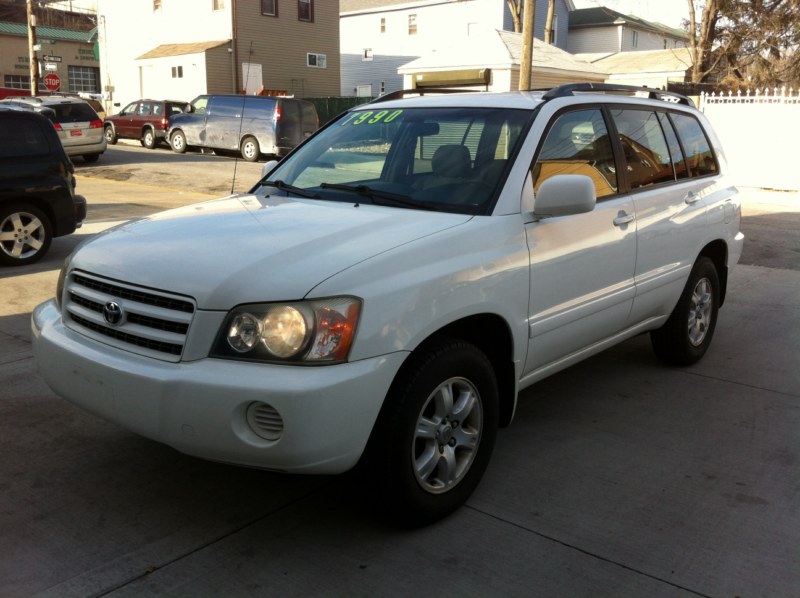
Image of used autos for sale
 |
| used autos for sale |
used autos for sale Image 1
 |
| used autos for sale |
used autos for sale Image 2
.JPG "used autos for sale") |
| used autos for sale |
used autos for sale Image 3
 |
| used autos for sale |
used autos for sale Image 4
.JPG "used autos for sale") |
| used autos for sale |
used autos for sale Image 5
Related blog with used autos for sale
Related Video with used autos for sale
used autos for sale Video 1
used autos for sale Video 2
used autos for sale Video 3
used autos for sale
Labels: Autos for Sale By Owner, Autos for Sale Websites, AutoTrader, Best Used Small SUV, Craigslist Used Autos for Sale, eBay Used Autos for Sale, Kelley Blue Book, Local Autos for Sale
posted by Guadalupe Rydberg @ 5:22 AM
0 Comments


0 Comments:
Post a Comment
Subscribe to Post Comments [Atom]
<< Home