Review of used cars under 3000::How did people die 3,000 years ago
Review of used cars under 3000::How did people die 3,000 years ago
Unless you've been on Mars or locked in a closet away from the world for a couple of decades, you've heard these terms: climate change and global warming. The two terms are interchangeable, but their meanings are the same, and it is a very, very real threat to humans, animals and all living things on this planet alike. Global warming is caused by the emission of heat-trapping gases. The bulk of these heat-trapping gases come from vehicle exhaust, deforestation, power plants and industrial processing plants. When the gases build up, it covers the atmosphere like a thick blanket which in turn, causes the planet to heat up. This threatens us, the environment and life as we know it. Granted, we need some of this blanket covering, because if there were no gases in the atmosphere, all heat from the sun would escape, leaving this an extremely cold, unliveable planet. But the problem is that we have too much. Enough of the sunlight isn't able to escape, which of course makes the temperature rise, and we get a little warmer every year. Many areas are really seeing the effects of global warming. Antarctica and Greenland are slowly melting away because of the higher temperatures. This leaves the ecosystem there unstable, and penguins and polar bears, for example, are slowly dying away. If the ice melts, they can't survive. The melting away of Antarctica and Greenland is also quite treacherous for us. If Greenland completely melts in the next decades, the sea level will rise approximately 20 feet. What does this mean? Florida, New England, the east coast, the Gulf Coast - they will be under water. This won't just be a "rainy day flooding" either. This water will remain there... it won't have anywhere else to go. Many urban cities in the United States are already overpopulated. Some areas have so many people crammed into a small area, they're almost literally stacked on top of each other like sardines in a can. Imagine the millions and millions of people that would have to flee inland if the sea level rose. Hurricane Katrina only produced about 100,000-150,000 refugees and that put a strain on many southern states, with Texas feeling the most of it. Now, multiply that number by about 1000 and see what kind of trouble you run in to. I would estimate that half the population of the United States would be displaced and lose everything when that rise in sea level eventually occurs. Speaking of, Texas leads the nation in cattle, cotton, grain and many, many other crops and vegetables, and most of the country benefits from our agriculture. However, Texas is the worst, statistically speaking, for the level of emissions and carbon dioxide being put into the air according to figures released by the Energy Information Administration. Texans are more at fault in the United States for global warming than any other state. Generally it comes from the number of large pickup trucks, SUVs, blaring our auto or home air conditioners, processing plants, etc. That being said, how will the nation suffer when we continue to do these things, the planet heats up, and it kills the crops and makes agriculture in Texas impossible? The Industrial Revolution started spurring a need for growth and development, and at that time, began severely altering the change in climate. Development and technology play a major, major part in our ecosystems and communities. This is a very scary, but very real problem right now and action HAS to be taken. Just by watching the news, you can see how every year the tropical storms and hurricanes are getting worse and worse. Hurricanes develop in warm water. Why do we have warm water? You guessed it! Global warming and higher temperatures heat up the oceans. Droughts are getting more prominent each year, and they're rougher, more intense and last longer. Why? Higher temperatures. Think back to the horrific forest fires this year in California. Dry forest, dry grass, drought, higher temperatures = more fires. Our forests are being destroyed, and that's one of the very things we need. Trees. They suck up carbon dioxide like a straw in a glass and then release oxygen. But with deforestation and depletion of trees, what's going to eventually happen? Using electricity is also a big culprit in the releasing of gases into the atmosphere. Every time you turn on your TV and leave it on, use a hair dryer, wash and dry clothes, turn on a light, an air conditioner, a car, a microwave.... you are helping to slowly release greenhouse gases. You hear about how important it is to conserve energy... well, yes, that's absolutely necessary! Using compact, energy-efficient appliances and light bulbs takes a lot less energy than you realize. Double pane windows and doors help to keep heat in your home and releases less of it out. If you simply let some of that heat escape, it uses more energy and causes hundreds more pounds of gas to be released into the atmosphere annually, just from ONE house. Being more efficient can save loads of money and the environment at the same time. Who wouldn't want to do that? The point is to show that global warming is having a major impact on us and that something needs to be done. A Review of the Current, Major Impacts of Global Warming: Higher temperatures Changing landscapes Wildlife at risk Rising sea level Increased risk of drought, fire and flooding Increased, stronger storms and storm-related damage Compromised freshwater Severe economic losses Though changes in our activities to slow global warming literally need to be done on a global scale, there are rather simple things you can do on your own to help. Imagine if every person read this very blog and tried to make a few changes. It would cause a ripple effect, with one person leading to another, and another, and eventually, that would greatly have an impact on the environment and the rate at which climate change is speeding along. The following things are simple, don't cost much, and don't require a lot of energy, so give some of these a try and do your part to save our world! These are based on what one person/household can do to save the amount of pounds of carbon dioxide emitted annually. Check and change your car air filter every month! This can save 800 pounds of carbon dioxide annually. Check your car's tires every month and make sure they're properly inflated. This can save 250 pounds annually. If you have a dishwasher, only run it when it's full. This can save 100 pounds. Use 100% recycled printer paper. This can save 5 pounds per ream. Replace at least three frequently used light bulbs with compact, fluorescent bulbs. This can save 300 pounds every year. In the winter, turn your thermostat down a couple of degrees. In the summer, turn it up a couple of degrees. This can save 2000 pounds!! Make sure your water heater thermostat is set no higher than 120°F. This can save 550 pounds. Change out or clean a dirty air conditioner filter every couple of months or as recommended. This can save 350 pounds. Take shorter showers and install a low-flow showerhead. These two combined can save 700 pounds. Buy vegetables locally at a farmer's market. This not only helps our farmers, but reduces the energy used in transporting goods to stores. Buy organic! Processing of foods and the chemicals used to do it pollute the air, the water supply and requires tons and tons of energy, thus releasing some of the largest quantities of gases into the atmosphere. Buy wind certificates and green tags. Texas has one of the largest areas of wind turbines in the nation. Supporting them helps to further their efforts to find better ways to produce energy safely. Buy products that are packaged very minimally. This results in less garbage and less energy used to make the packaging. Making plastic uses tons and tons and tons of energy. This can save 1200 pounds. Recycle your plastic, paper and glass. This can save 1000 pounds. If you can, buy a hybrid car. This can save an astonishing 16,000 pounds every year!! If you can't or don't have a hybrid, use a car that's fuel-efficient. Every extra mile you can get out of a gallon of gas can save thousands of pounds every year. Carpool, carpool, carpool. Find someone that you can drive to work or school with. This can save at least 1000 pounds every year, and there are less cars on the road. Don't sit and idle in your car if you aren't in traffic. This wastes a ton of gas and emits a lot of pollution. If you have to sit and wait in your car longer than 30 seconds, turn the engine off. Insulate your water heater, your house, your windows, your doors. This can save at least 3000 pounds every year. Use energy-efficient appliances; replace old ones if possible. Save hundreds and hundreds of pounds every year. Use a push mower on your lawn instead of burning fossil fuels. You can save at least 100 pounds every year. If you're cold, don't turn up the heater. Put more clothes on! You can save 1000 pounds a year. If you have appliances or electronics that aren't frequently used, unplug them. Even if they aren't on, they use energy. You can save at least 1000 pounds every year. Buy double pane windows if you can. This can save at least 10,000 pounds every year. Air dry your clothes outside, weather permitting. This can save 700 pounds. If you aren't using your computer, turn it off and save the energy. Use the sleep mode instead of a screensaver and save 200 pounds a year. Kick the red meat. Avoiding meat one day a week and eating vegetarian can reduce energy and production costs. Take your own bags to the store. Canvas bags work great for your groceries. If you're near an IKEA, buy one of their gigantic, blue, tarp-like bags for $0.59 and take it to the store with you every time. Wal-Mart and other chains are getting ready to eliminate plastic bags anyway, so get used to it! ;) And almost the most important thing...PLANT TREES! We're losing thousands of trees every day, so plant more! Plant one and save 2000 pounds a year. These simple things above can make a significant difference in our environment, not to mention the huge amounts of money you can save yourself in the long run by doing them. Remember, one person can make a difference, and if we all work together, we can save this planet from our own destruction. Source: Matthew Philips-Texas: Worst CO2 emitter-http://www.newsweek.com/id/116784?GT1=10856-www.newsweek.com |
Image of used cars under 3000
 |
| used cars under 3000 |
used cars under 3000 Image 1
 |
| used cars under 3000 |
used cars under 3000 Image 2
 |
| used cars under 3000 |
used cars under 3000 Image 3
 |
| used cars under 3000 |
used cars under 3000 Image 4
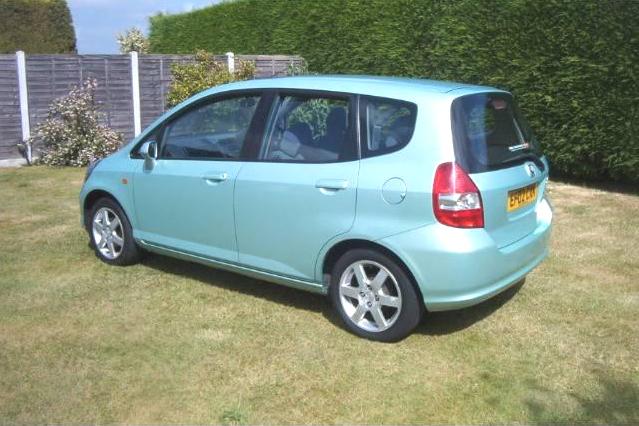 |
| used cars under 3000 |
used cars under 3000 Image 5
Related blog with used cars under 3000
Related Video with used cars under 3000
used cars under 3000 Video 1
used cars under 3000 Video 2
used cars under 3000 Video 3
used cars under 3000
Labels: $3000 Used Cars for Sale, CarMax Locations, CarMax Used Cars Under 3000, Craigslist Cars Under 3000, Edmunds Used Cars Under 3000, NC Used Cars Under 3000, Reliable Used Cars Under 3000, Used Cars Under 2000
posted by Guadalupe Rydberg @ 5:12 AM
0 Comments


0 Comments:
Post a Comment
Subscribe to Post Comments [Atom]
<< Home